



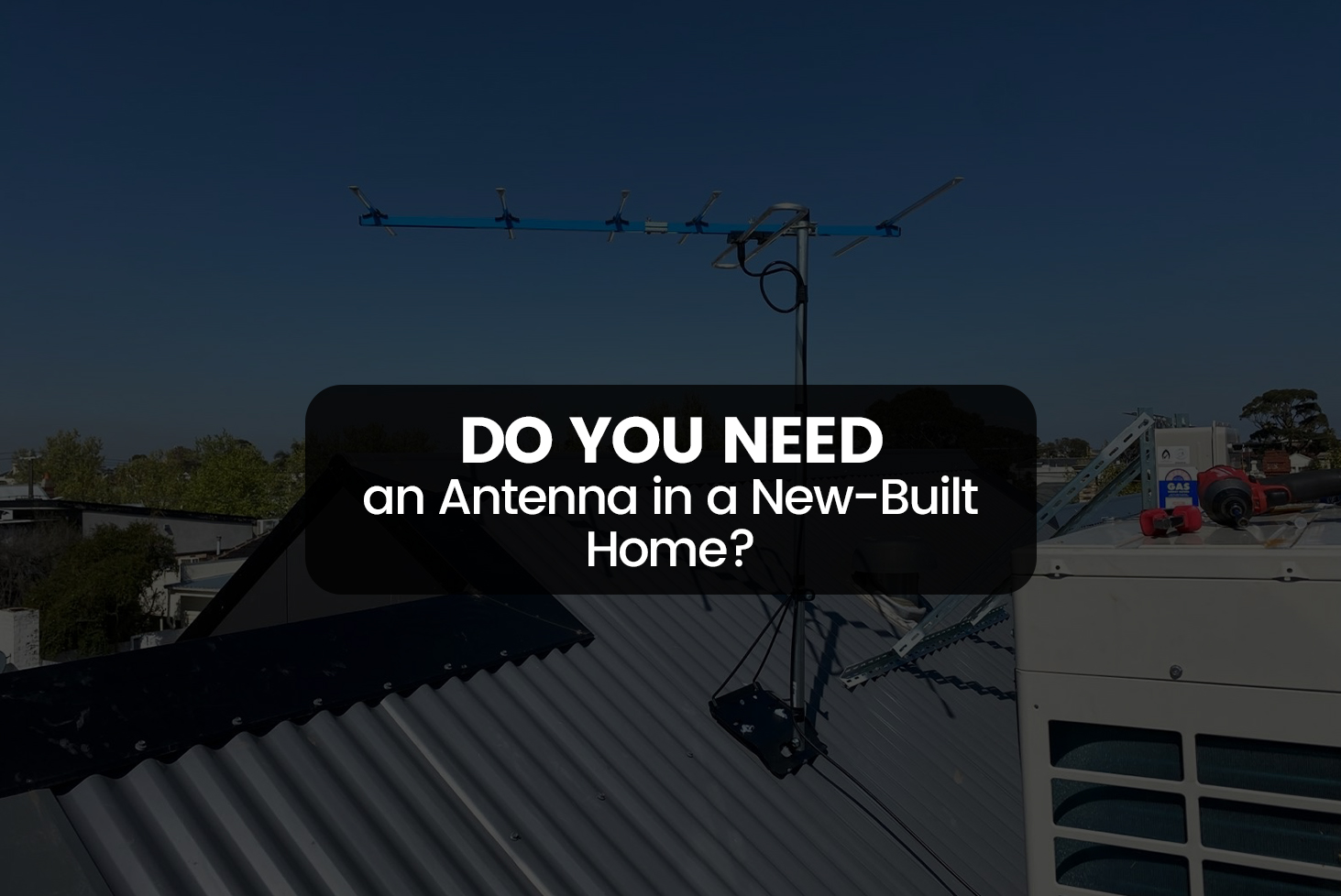
When you move into a new-built home, one of the many decisions you may need to make is whether or not you should install an antenna. In today’s world of streaming services and cable TV, antennas may seem outdated or unnecessary, but in certain situations, they can still be an essential addition to your home.
In this article, we will explore the reasons why you might want to consider installing an antenna in your new-built home, the benefits it offers, and some important factors to keep in mind when making your decision.
The Advantages of Installing an Antenna
1. Free TV Channels
Antennas allow you to receive free over-the-air (OTA) TV signals, which means you don’t have to pay for monthly cable or satellite subscriptions. For households on a budget or those who prefer not to have ongoing TV costs, installing an antenna can be a cost-effective solution. Depending on your location and the strength of the signal, you can receive high-definition local channels such as ABC, SBS, and more, all for free.
2. Better Reception in Rural Areas
For people living in rural areas or locations with less reliable cable and satellite services, an antenna can be a game-changer. Many new-built homes are in areas where traditional cable and satellite signals are weak or non-existent. In such cases, an antenna can provide a stronger and more reliable connection to local broadcast stations.
3. HD Quality
Unlike some internet streaming services that offer lower-quality video, antennas can deliver high-definition content without any buffering or lag. With the advancement of broadcast technology, many local stations now broadcast in 1080p or 4K, ensuring that you get the best possible viewing experience.
4. Access to Local News and Sports
Local news, weather reports, and sports broadcasts are often best enjoyed through over-the-air television. Installing an antenna in your new-built home ensures that you have access to these crucial local broadcasts, especially during emergencies or important sporting events. You won’t need to rely on streaming services or subscription-based services to stay connected with your local community.
5. No Internet Dependency
For those who are concerned about internet usage, an antenna offers an alternative way to watch TV without using data or consuming bandwidth. With many families now relying on their internet connections for work, school, and entertainment, conserving bandwidth is a significant advantage of using an antenna.
Things to Consider Before Installing an Antenna
1. Location and Signal Strength
The effectiveness of an antenna largely depends on where your home is located and the strength of the signal. Homes that are in urban areas will likely have a better signal than those in rural or mountainous locations. Before installing an antenna, check the availability of signals in your area. Websites like AntennaWeb and the Australian Government’s MySwitch can help you identify the best antenna for your location.
2. Types of Antennas
There are various types of antennas to choose from, such as indoor, outdoor, directional, and omnidirectional antennas. Each type has its pros and cons, and it’s essential to choose the one that will give you the best signal reception in your area. An outdoor antenna, for example, will generally provide better reception than an indoor antenna.
3. Antenna Installation
While installing an antenna can be a simple DIY task for some, it may require professional help depending on the type of antenna and your home’s infrastructure. Outdoor antennas may require mounting on your roof or wall, which can be tricky and should be done safely. If you’re not comfortable with the installation process, hiring a professional technician is recommended.
4. Compatibility with Your TV
Before you buy an antenna, ensure that your TV is compatible with the antenna’s connection. Most modern TVs have built-in tuners, but older models might require a separate tuner to work with the antenna.
5. Antenna Maintenance
Although antennas are generally low-maintenance, they can sometimes become obstructed by trees, buildings, or other structures, affecting the signal quality. Regularly checking and maintaining your antenna can help ensure optimal performance.
Conclusion
In conclusion, while modern technology has made streaming services the go-to choice for many, antennas are still a viable and valuable option, especially in areas with limited access to reliable cable or satellite services. They provide free, high-definition TV without the ongoing costs of subscriptions, offer better reception in rural areas, and provide an excellent alternative to internet-based TV watching. Before deciding whether an antenna is right for you, consider your location, the type of antenna you need, and how you plan to install it. If done right, an antenna can be an excellent addition to your new-built home, enhancing your TV viewing experience while saving you money.