



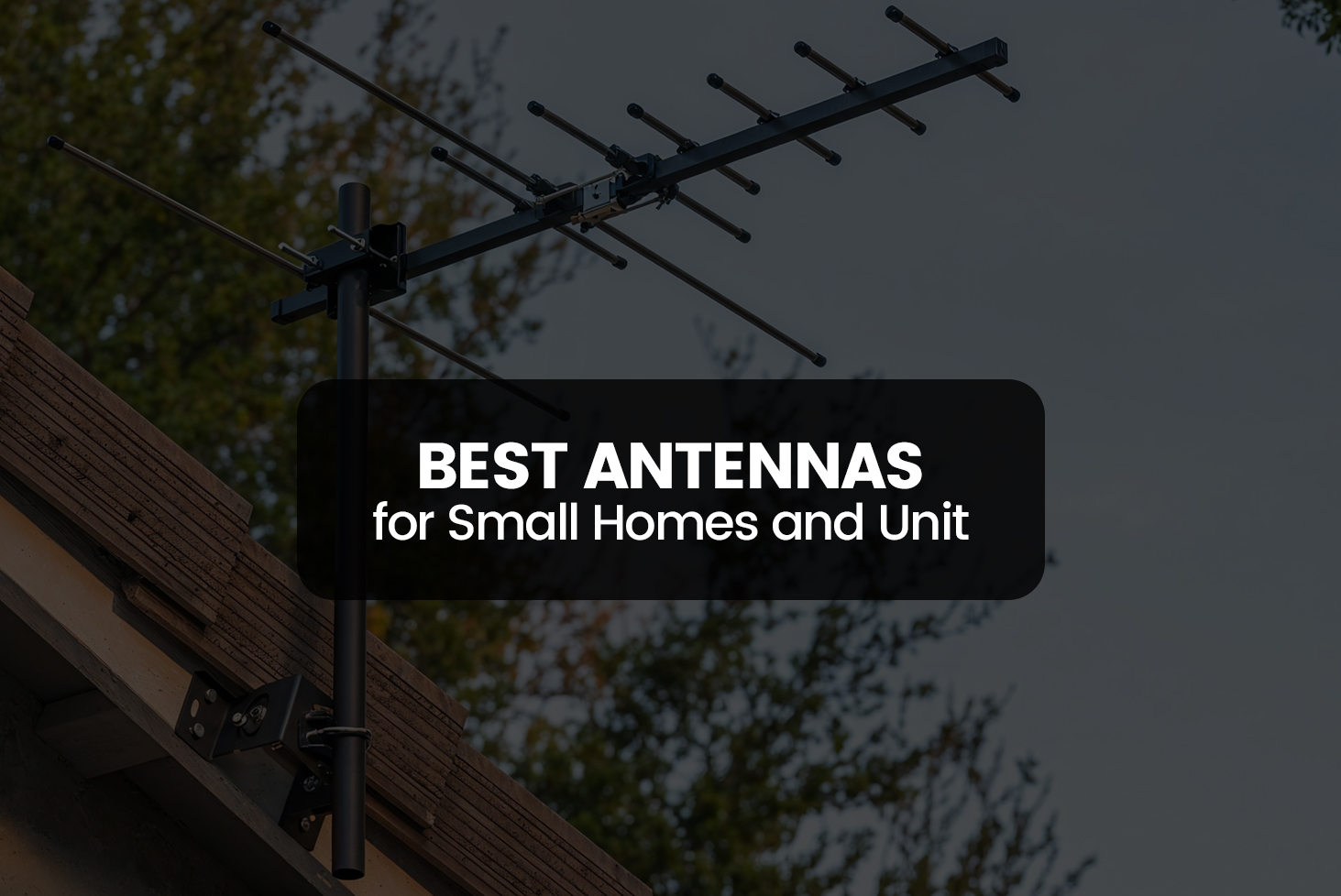
Choosing the right TV antenna for your home can be a daunting task, especially with the variety of options available in the market. Whether you are trying to enjoy free-to-air channels, enhance your signal quality, or cut the cord on expensive cable subscriptions, the right antenna can make all the difference. In this guide, we will walk you through the steps of selecting the perfect TV antenna for your needs.
Step 1: Understanding TV Antennas
TV antennas are devices that capture over-the-air signals broadcast by television stations. These signals are transmitted from towers, and the antenna picks them up, allowing your TV to receive the broadcast channels. With the transition from analog to digital broadcasting, antennas have become more essential for people who want to enjoy HD and even 4K quality without paying for a cable subscription.
There are different types of TV antennas designed to suit various needs. These can be broadly categorized into indoor and outdoor antennas, each with its benefits and limitations.
Step 2: Types of TV Antennas
1. Indoor Antennas
- Best For: People living in apartments or urban areas where broadcast towers are nearby.
- Range: Typically 20-30 miles.
- Pros: Easy to install, compact, and affordable.
- Cons: Can be affected by obstructions like walls or large furniture.
2. Outdoor Antennas
- Best For: People living in suburban or rural areas, or those who want a better signal reception.
- Range: Typically 50-100 miles.
- Pros: Better signal reception due to fewer obstructions.
- Cons: More complicated to install and requires proper weatherproofing.
3. Attic Antennas
- Best For: Those who need better signal strength than indoor antennas but don’t want an outdoor antenna.
- Range: Typically 30-50 miles.
- Pros: Hidden installation, decent performance.
- Cons: May still face some interference from the roof and other materials.
Step 3: Factors to Consider When Choosing a TV Antenna
1. Location of TV Towers
The first step in choosing the right TV antenna is knowing the location of the broadcast towers in your area. The closer you are to these towers, the more likely you are to get a good signal with an indoor antenna. For those living farther from the towers, you will need a more powerful outdoor antenna to ensure you receive a strong and clear signal.
There are various online tools, such as AntennaWeb or Antenna.com, that allow you to input your zip code and get a map of nearby TV towers. This will help you choose the antenna that best fits your needs based on distance and direction.
2. Signal Strength and Range
Different antennas are built for different ranges. Indoor antennas are generally good for short-range signals, while outdoor antennas can pick up signals from much farther distances. Be sure to check the range of the antenna to ensure it matches the distance to your nearest broadcast tower.
If you are in an area with weak or fluctuating signal strength, you may want to invest in a more powerful antenna with a wider range.
3. Type of Channels You Want to Receive
Another factor to consider is the type of channels you want to receive. Many modern antennas can capture both UHF (Ultra High Frequency) and VHF (Very High Frequency) signals.
- UHF channels: Typically higher-frequency channels like local news, ABC, CBS, NBC, FOX.
- VHF channels: Often used by networks like PBS and may require a special antenna.
If you want to pick up both UHF and VHF channels, make sure the antenna you choose supports both frequencies.
4. Antenna Placement
Once you’ve selected your antenna, you’ll need to place it in an optimal location to get the best signal.
- Indoor antennas: Work best when placed near windows and away from metal objects or large appliances.
- Outdoor antennas: Should be installed as high as possible (roof or attic) to avoid obstructions. Consider weatherproofing for outdoor installations.
5. Amplification
Some antennas come with built-in amplifiers, which can boost signal reception. If you live in an area with weak signals or interference, an amplified antenna may be a good option. However, amplifiers can also pick up unwanted noise, so they may not always provide a better signal. Test your antenna before deciding if amplification is necessary.
Step 4: Top TV Antenna Recommendations
- Best for Small Apartments: The Mohu Leaf 30
- Best for Long Range: Antennas Direct ClearStream 4MAX
- Best for Rural Areas: Winegard Elite 7550
Conclusion
Picking the right TV antenna for your home depends on your location, the type of channels you want to receive, and the strength of the signal in your area. Whether you go for an indoor, outdoor, or attic antenna, it’s essential to choose one that fits your specific needs. By understanding the factors that affect reception and following the tips above, you can enjoy free over-the-air channels without the need for expensive cable subscriptions.